
Chicago Billboard & Outdoor Advertising Guide: Costs, Locations & LED Trucks
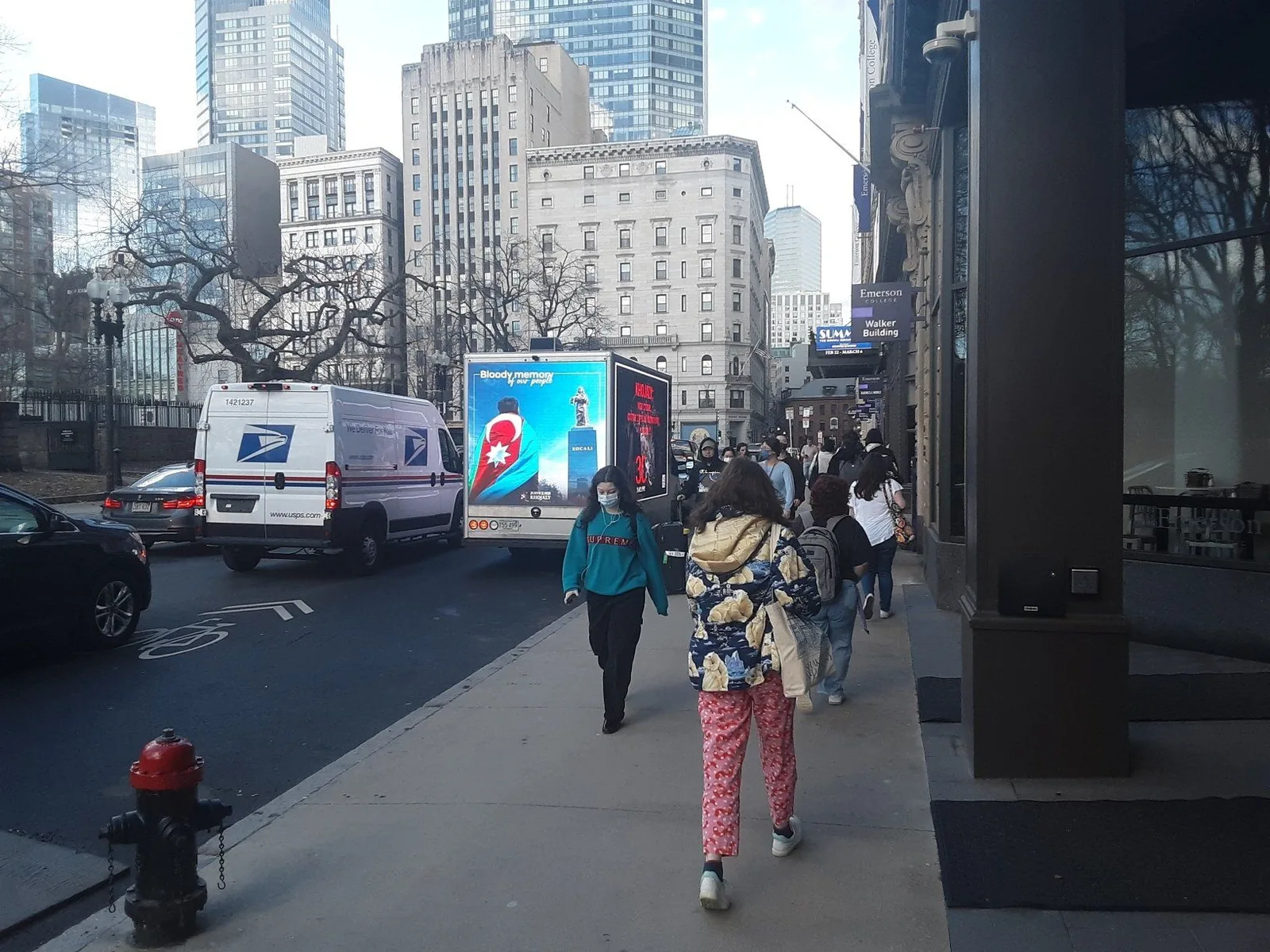
Billboard advertising in Chicago costs anywhere from $1,500 to $15,000+ per month for a static billboard, while a mobile LED billboard truck runs $1,200 to $1,400 per day. Chicago is the third-largest advertising market in the United States, and outdoor advertising here ranges from iconic expressway bulletins on the Kennedy and Dan Ryan to digital spectaculars in the Loop. This guide breaks down real costs, the best locations, local rules, and when a mobile LED billboard truck beats a fixed board.
How Much Does Billboard Advertising Cost in Chicago?
Chicago billboard costs depend on format, location, and traffic counts. Here are realistic ranges for the Chicago market:
- Static bulletin (expressway): $3,000–$15,000+ per month on major corridors like the Kennedy (I-90/94), Dan Ryan (I-90/94 south), Eisenhower (I-290), and Stevenson (I-55).
- Static poster (surface streets): $1,500–$5,000 per month in neighborhoods like Wicker Park, Logan Square, and Pilsen.
- Digital billboard (shared rotation): $2,500–$10,000+ per month depending on share of voice and location.
- Mobile LED billboard truck: $1,200–$1,400 per day for a dedicated truck running 8–10 hours on routes you choose.
- Transit advertising (CTA buses and trains): $500–$5,000+ per month depending on format and quantity.
The biggest pricing factor is location. A bulletin facing downtown-bound Kennedy traffic commands a premium because it delivers hundreds of thousands of daily impressions to commuters. A mobile LED truck flips that model: instead of paying for one fixed location, you pay for a day of movement through the exact neighborhoods your customers are in.
The Best Outdoor Advertising Locations in Chicago
Chicago's best outdoor advertising locations cluster around expressways, downtown, entertainment districts, and sports venues. The strongest zones include:
- The Loop and River North: Chicago's densest pedestrian and office-worker traffic. Digital screens and wallscapes dominate here, and mobile trucks can circulate through the lunchtime and evening rush.
- Michigan Avenue (Magnificent Mile): Premium retail foot traffic, tourists, and shoppers — ideal for consumer brands, events, and product launches.
- Wrigleyville and the ballpark corridors: Wrigley Field, Guaranteed Rate Field, Soldier Field, and the United Center draw massive crowds on game days. Mobile billboard trucks are one of the few formats that can work the crowds around the stadiums directly.
- McCormick Place and the convention corridor: The largest convention center in North America. During major shows, tens of thousands of attendees move between the center and downtown hotels — a natural fit for LED billboard trucks.
- Expressway corridors: The Kennedy, Dan Ryan, Eisenhower, and Stevenson carry some of the heaviest commuter traffic in the Midwest, which is why expressway bulletins are the most expensive static inventory in the market.
- Neighborhood entertainment districts: Wicker Park, Logan Square, Lincoln Park, and the West Loop restaurant row deliver younger, high-spending audiences in the evenings and on weekends.
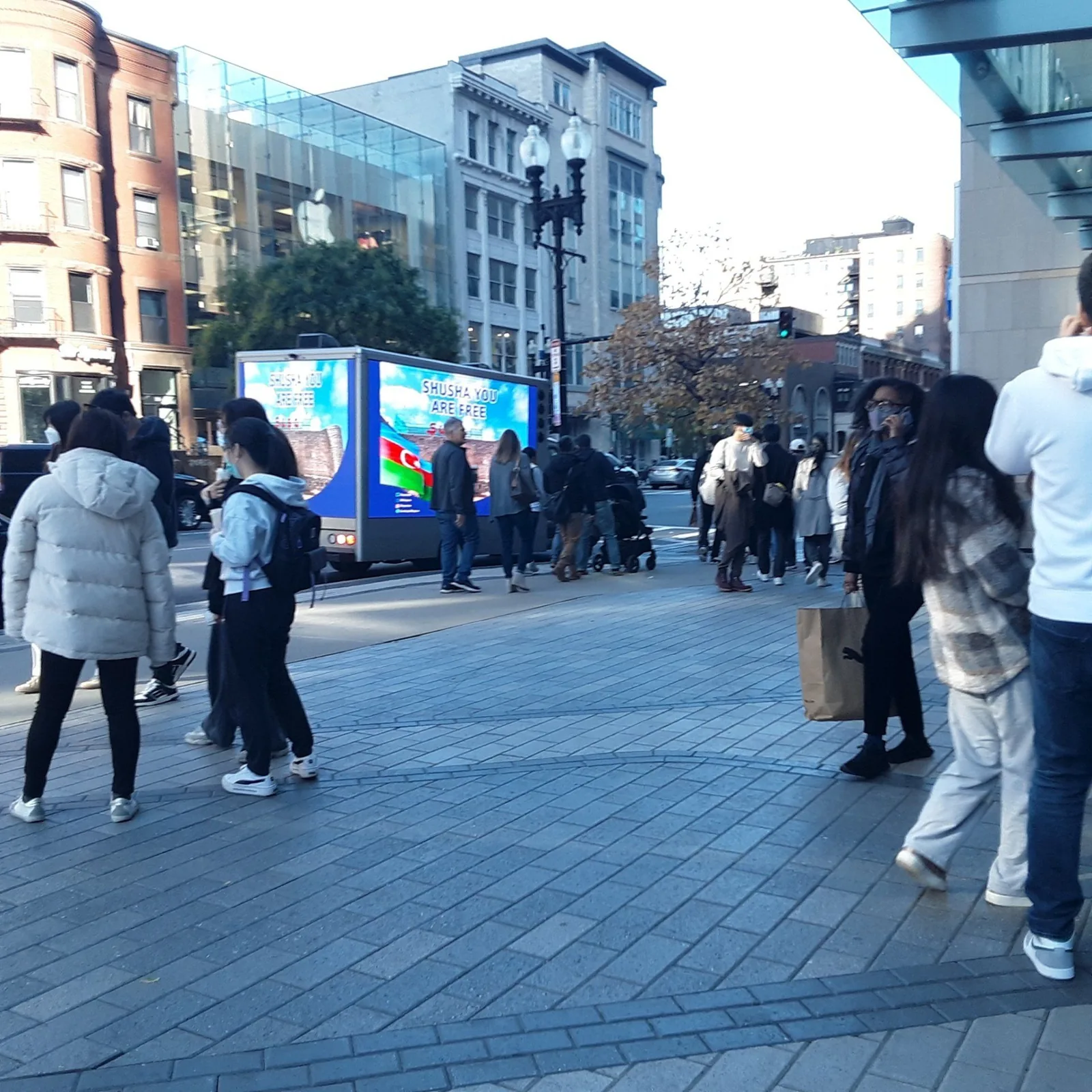
LED billboard trucks shine where crowds gather — game days, shopping districts, and events like Chicago's summer festivals.
Static Billboards vs. Mobile LED Billboard Trucks in Chicago
A static billboard rents one fixed location by the month; a mobile LED billboard truck rents by the day and goes where your audience is. Neither is universally better — the right choice depends on your goal.
Choose a static billboard when: you want always-on brand presence on a specific commuter corridor, your campaign runs for months, and your audience passes one predictable point every day.
Choose a mobile LED billboard truck when: you need to reach people at a specific event, neighborhood, or time window; you want video, animation, or dayparted creative; you want to launch fast without waiting for inventory; or you want one budget to cover multiple Chicago neighborhoods in a single day.
Many Chicago advertisers use both: a static board for baseline presence and LED trucks for launches, events, and promotions. For a deeper breakdown, see our guide to digital mobile billboard advertising pros, cons, and costs.
Chicago Outdoor Advertising Rules to Know
Chicago regulates billboards more strictly than most US cities, which is one reason mobile formats are popular here. Key points:
- The City of Chicago caps and zones off-premise billboard signs, and new static billboard permits are difficult to obtain in many areas — existing inventory is limited, which keeps prices high.
- Scenic and special-use districts, including parts of the lakefront and historic boulevards, have additional restrictions.
- Mobile billboard trucks operate as vehicles, not permanent signs, so they are not subject to billboard permit caps — but they must follow traffic and parking laws, and responsible operators avoid idling in restricted zones.
- Expressway bulletins along Illinois interstates also fall under state and federal highway advertising rules.
Because static inventory is scarce and permits are hard to get, brands that want to move quickly in Chicago often start with a mobile LED truck campaign while they wait for premium static space to open up.
When a Mobile LED Billboard Truck Makes Sense in Chicago
Mobile LED billboard trucks are the strongest outdoor option in Chicago for time-sensitive, location-specific campaigns. The use cases we see work best:
- Grand openings and retail launches in high-traffic shopping districts like the Magnificent Mile, State Street, and neighborhood corridors.
- Game days and concerts at Wrigley Field, Soldier Field, the United Center, and Guaranteed Rate Field, where the truck works the crowds before and after the event.
- Trade shows at McCormick Place, where exhibitors use trucks to stand out and shuttle-zone advertising reaches attendees between hotels and the hall. See our trade show advertising guide for playbook details.
- Recruiting and hiring campaigns targeting specific industrial corridors or campuses.
- Political, advocacy, and public-awareness campaigns that need coverage across many wards in a short window.
Boost Outdoor Media runs LED billboard truck campaigns across the Chicago market — from the Loop to the suburbs — with dedicated trucks at $1,200–$1,400 per day including driver, fuel, and creative display. You pick the routes, the hours, and the creative; we handle the rest. Visit our Chicago LED billboard market page for local details, or see how the model works in other cities in our Boston outdoor advertising guide.
How to Plan a Chicago Outdoor Advertising Campaign
A good Chicago outdoor campaign starts with three decisions: audience, geography, and timing. Define who you need to reach, map where they concentrate (commuter corridor, neighborhood, venue, or convention), and match the format to the window — months for brand building, days for events and launches.
From there, get quotes for both a static placement and a mobile LED truck day rate, and compare cost per thousand impressions against how precisely each option hits your target area. In a market as large and segmented as Chicago, precision usually wins.
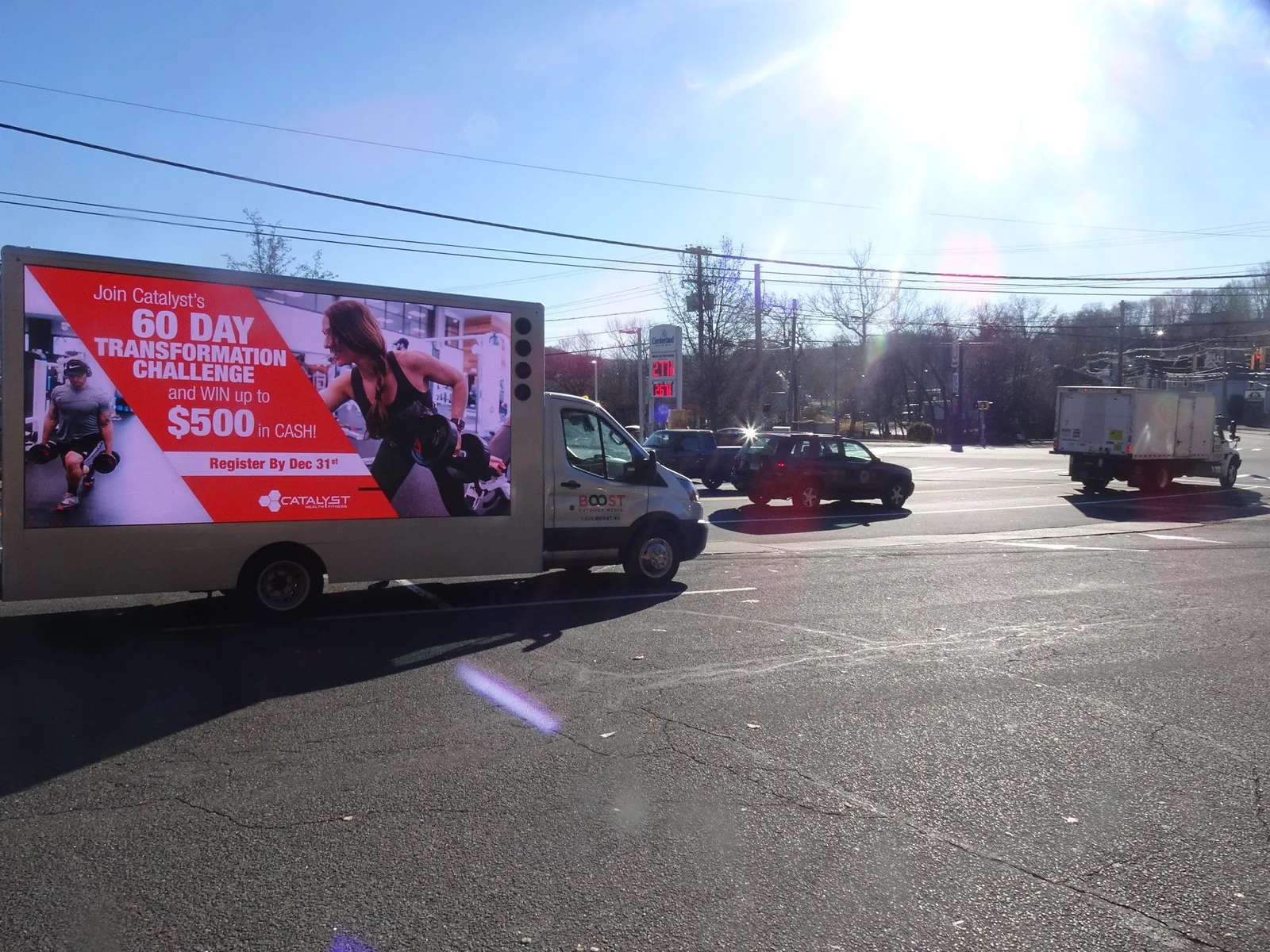
An LED truck at a busy intersection: mobile billboards reach exactly the corners where fixed boards can't get a permit.
Ready to advertise in Chicago? Contact Boost Outdoor Media for a free quote on LED billboard truck campaigns anywhere in the Chicago area — most campaigns can be on the road within days.
Frequently asked questions
How much does it cost to advertise on a billboard in Chicago?
A static billboard in Chicago typically costs $1,500 to $5,000 per month for a surface-street poster and $3,000 to $15,000 or more per month for an expressway bulletin on corridors like the Kennedy or Dan Ryan. A mobile LED billboard truck costs $1,200 to $1,400 per day and covers multiple neighborhoods in a single day.
Are mobile billboard trucks legal in Chicago?
Yes. Mobile billboard trucks operate as vehicles rather than permanent signs, so they are not subject to Chicago billboard permit caps. They must still follow traffic and parking laws, and professional operators plan routes that comply with local restrictions.
What are the best areas for outdoor advertising in Chicago?
The strongest areas are the Loop and River North for pedestrian traffic, Michigan Avenue for shoppers and tourists, Wrigleyville and the stadium corridors on game days, McCormick Place during conventions, and the Kennedy and Dan Ryan expressways for commuter reach.
How far in advance do I need to book a billboard truck in Chicago?
Most mobile LED billboard truck campaigns in Chicago can launch within a few days once creative is approved. Static billboards, by contrast, often require booking weeks or months ahead because premium inventory is limited.
Is a mobile LED truck better than a static billboard in Chicago?
It depends on your goal. A static billboard is better for months-long brand presence on one commuter corridor. A mobile LED truck is better for events, launches, and campaigns that need to reach specific neighborhoods or venues on specific days, and it supports video and animated creative.
Can I advertise at Chicago sporting events and concerts with a billboard truck?
Yes. LED billboard trucks commonly work the crowds around Wrigley Field, Soldier Field, the United Center, and Guaranteed Rate Field before and after games and concerts, which is one of the most effective uses of the format in Chicago.