
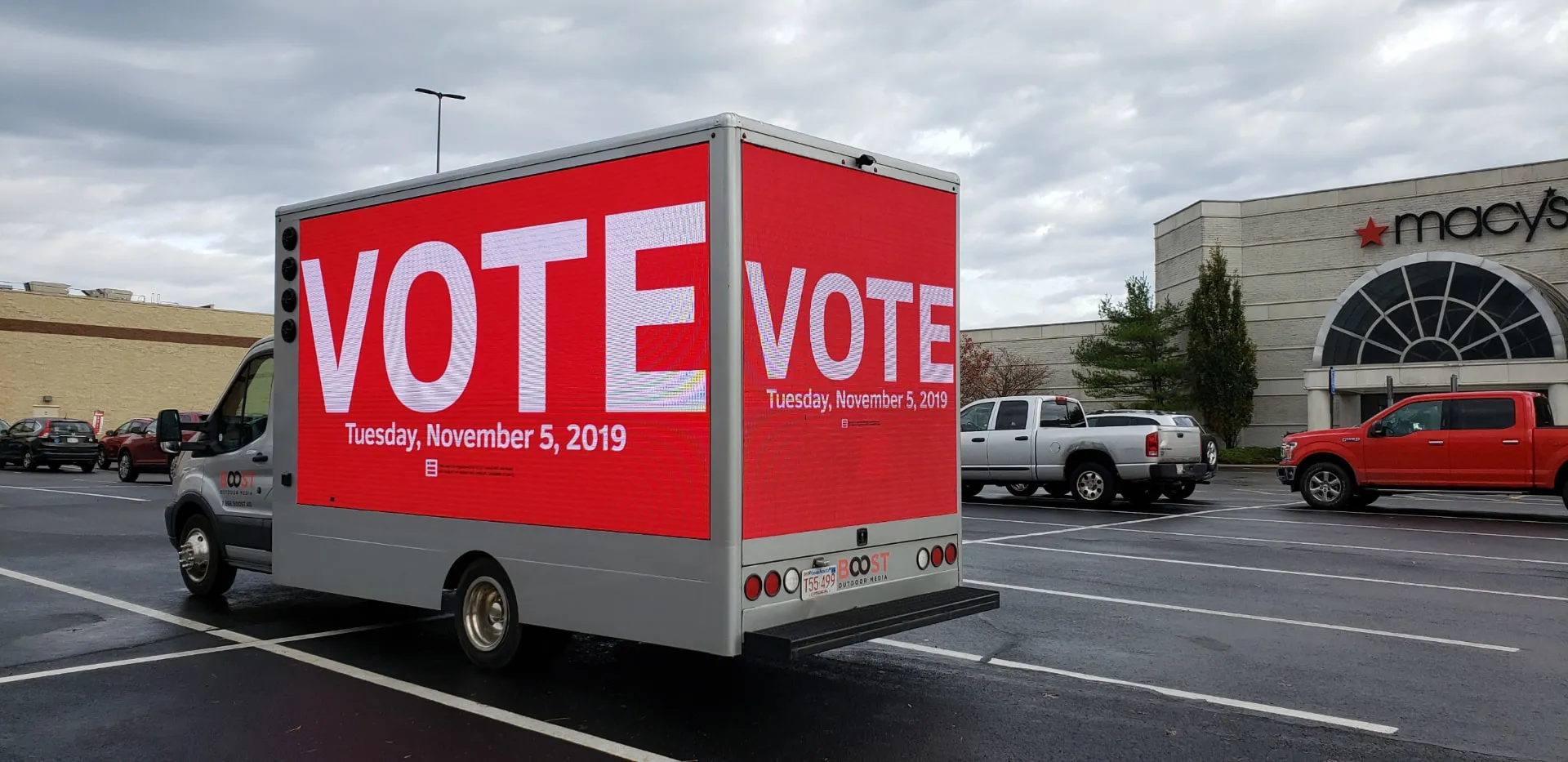
Political LED Billboard Truck Advertising
Campaign visibility beyond the screen in your hand.
Boost Outdoor Media coordinates mobile LED billboard advertising for candidate campaigns, advocacy organizations, unions and public-awareness initiatives. Bring approved campaign creative to the street with a clear schedule, a practical route plan and coordinated event logistics.
A moving billboard. A coordinated campaign.
Political advertising has real-world deadlines: an event, a public announcement or an election date. LED billboard trucks provide a large-format outdoor presence without being tied to one fixed billboard. We help campaign teams connect approved artwork, operating hours and location arrangements into an on-street advertising plan. Our work includes candidate creative, labor messages and issue-advocacy campaigns, with examples shown below.
Use Cases
How campaign teams use mobile billboards
Candidate campaign visibility
Display campaign-approved candidate artwork on a mobile LED screen. Coordinate dates, operating areas and the campaign’s destination or website, with a consistent visual identity across outdoor and other campaign materials.
Rallies & campaign events
Support an organized event with a planned outdoor advertising presence. Confirm arrival times, venue access, staging space and whether the truck will circulate or remain stationary where permitted.
Labor & union communications
Bring an organization’s approved message into a public outdoor setting. Coordinate truck placement, operating hours and access with organizers, while keeping any assertions clearly attributable to the sponsoring organization.
Issue & public-awareness campaigns
Present a public-interest message with prominent branding and a clear information destination. Use campaign-approved material and establish who signs off on factual claims, artwork and sponsor disclosures before delivery.
Ballot-initiative advertising
Support a ballot committee’s approved outdoor communications. Confirm the jurisdiction, dates and required disclosures with the committee, and distinguish campaign messaging from official election information.
Nonpartisan civic reminders
Display general civic-awareness creative or verified election-date reminders. Confirm current information with the relevant election authority; historic campaign artwork should not be reused as current voting guidance.
Why Mobile
An outdoor format built around your campaign schedule
Mobile or event-based presence
Discuss a circulating route, permitted stationary placement or a combination. The plan should fit access conditions and the campaign’s event logistics.
Large-format campaign creative
Show approved images or motion graphics on an LED screen. Design for short viewing moments with clear branding and readable sponsor information.
Date-specific scheduling
Build around agreed campaign dates and daily hours. Confirm availability and production lead time rather than assuming every last-minute request can be accommodated.
One coordinated brief
Connect the campaign team, creative approver and event contact before launch. Clear priorities help manage changes without losing track of the agreed scope.
Our campaign work
Political, civic and advocacy messages on the street.
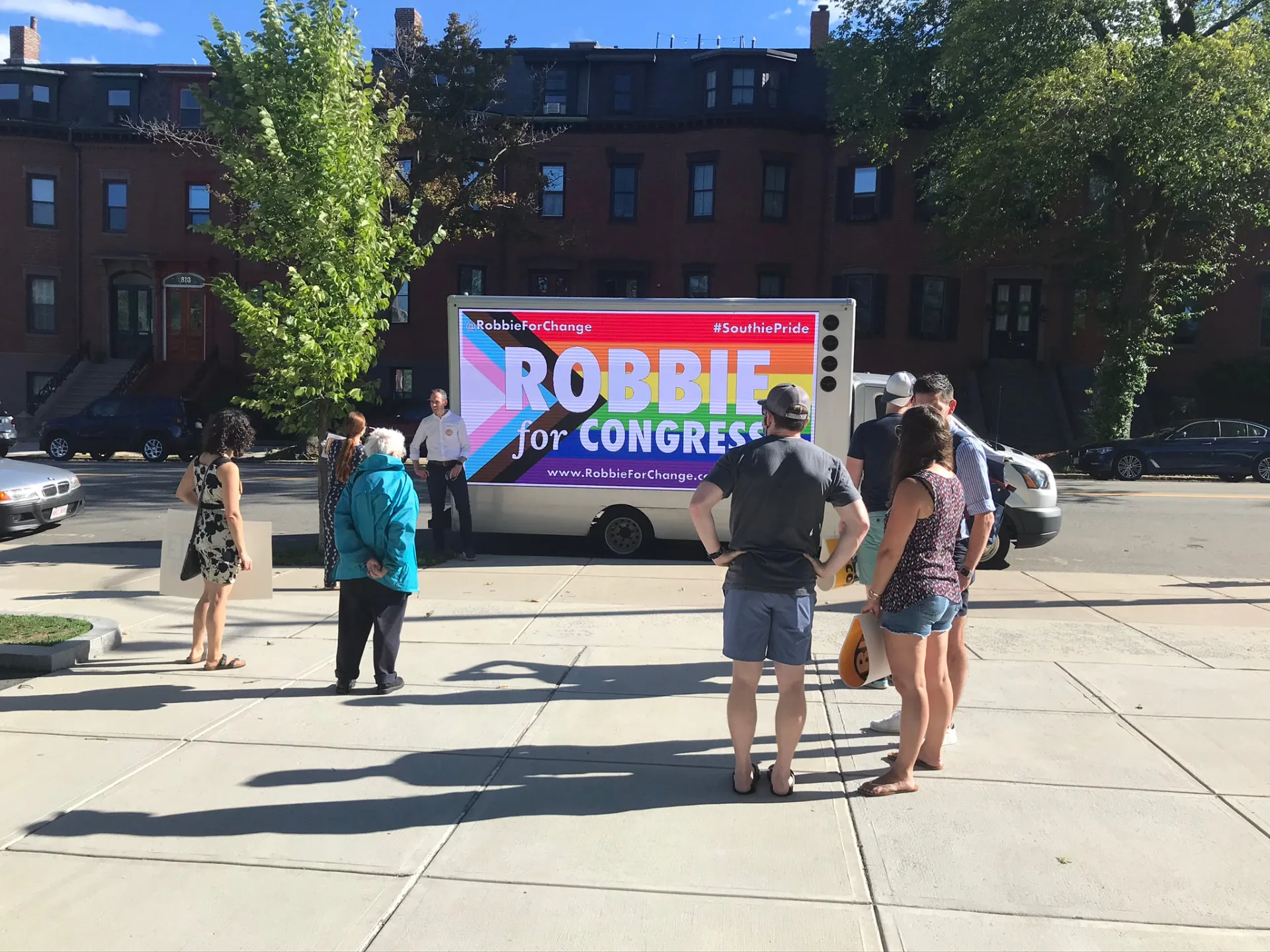
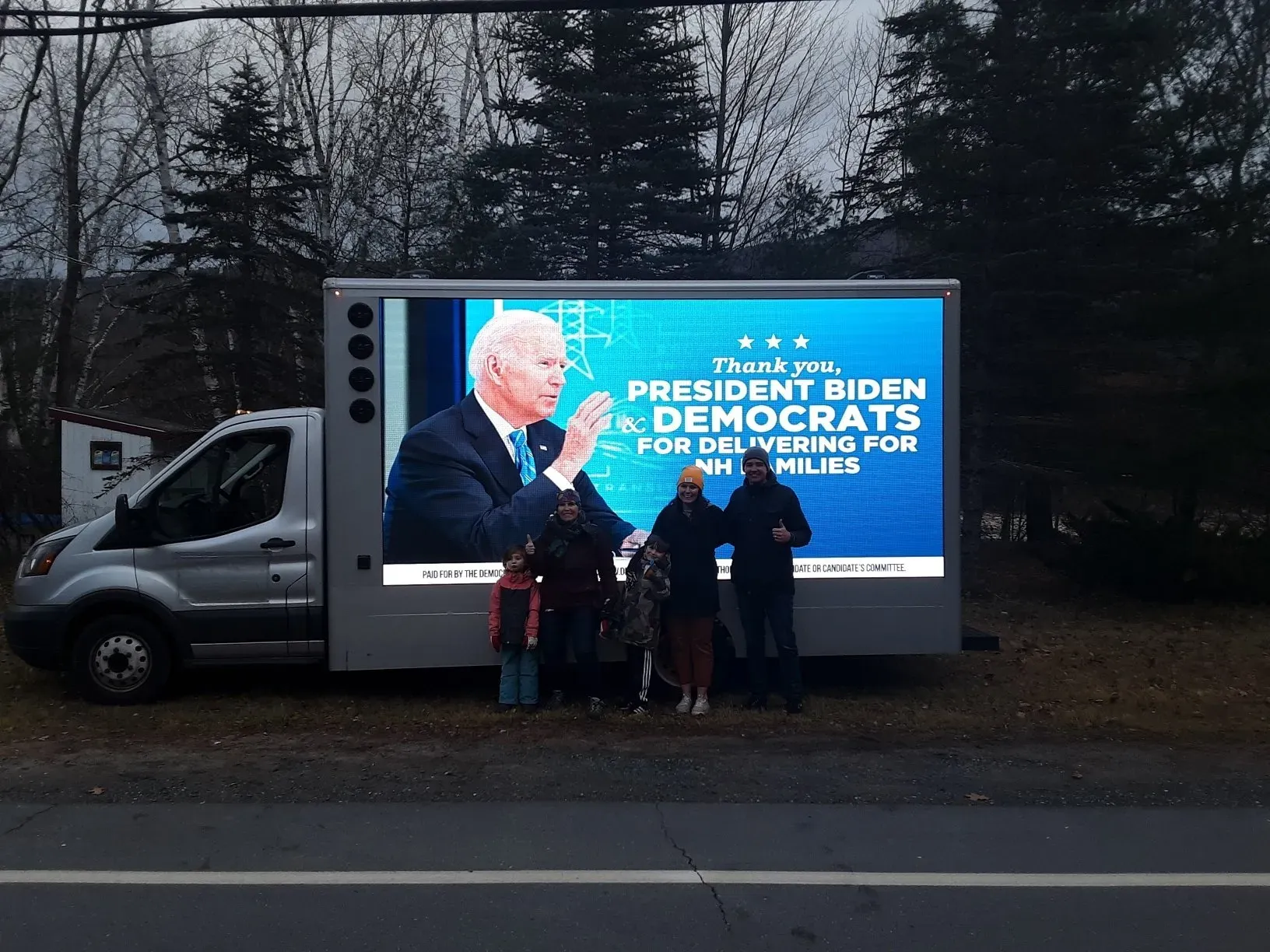
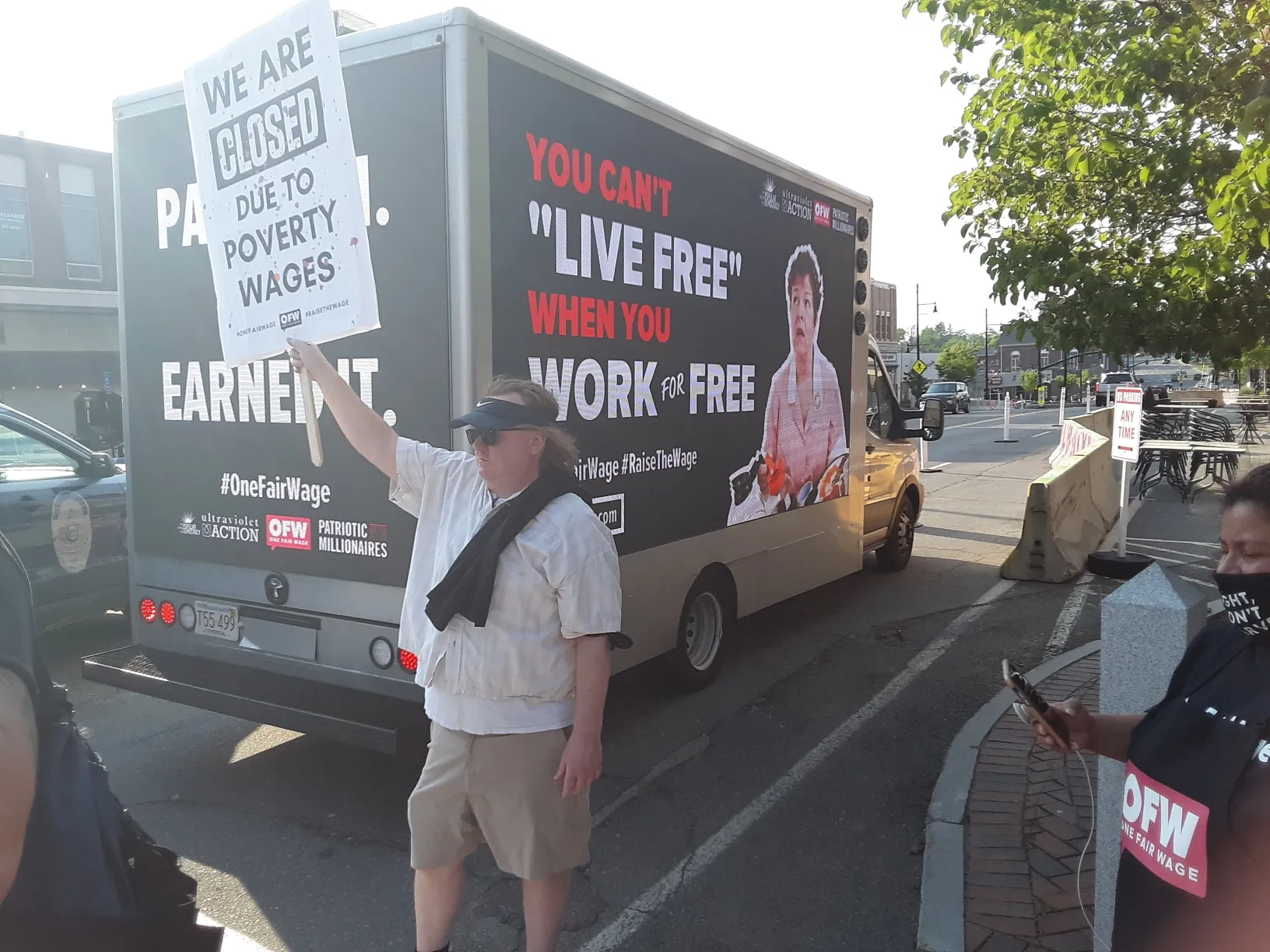
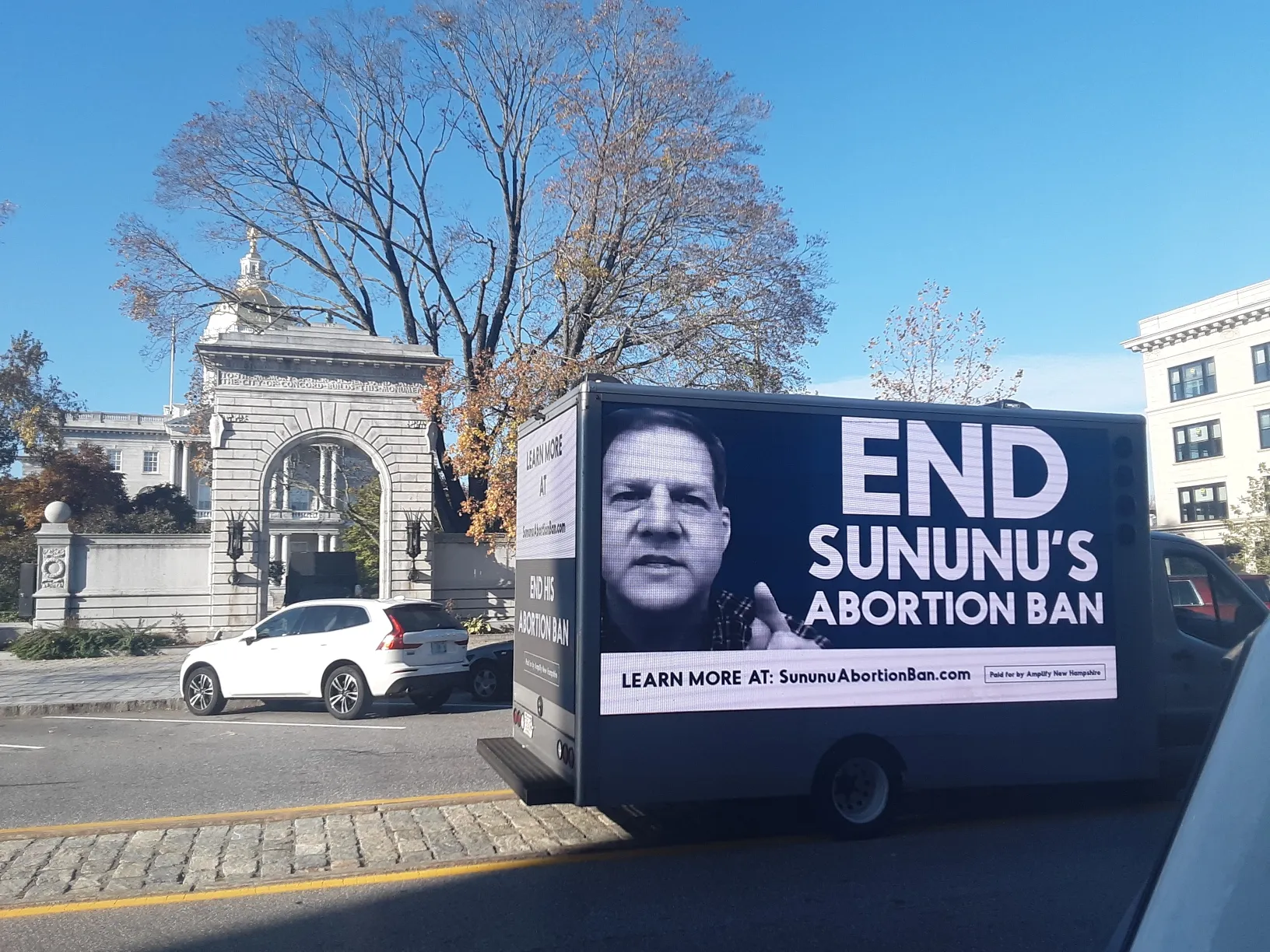
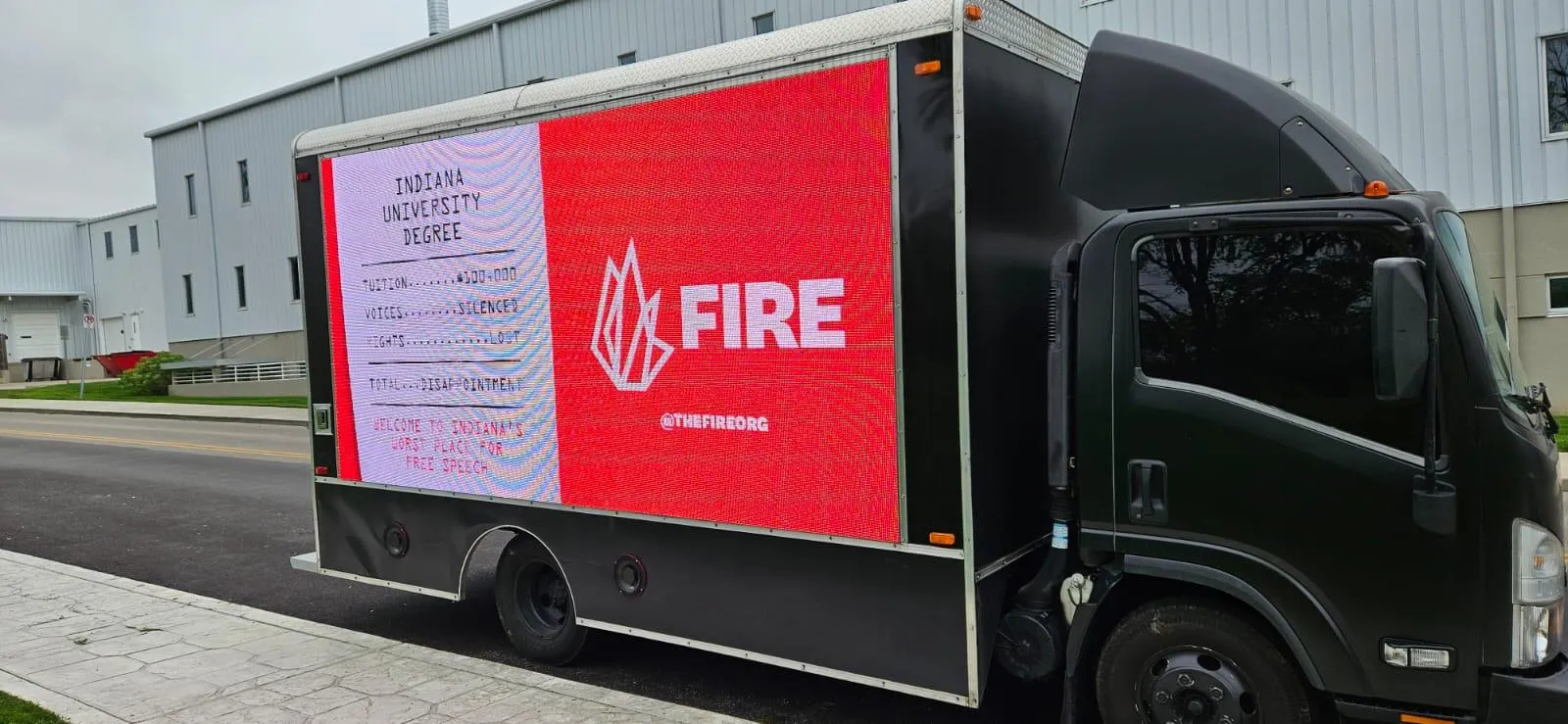
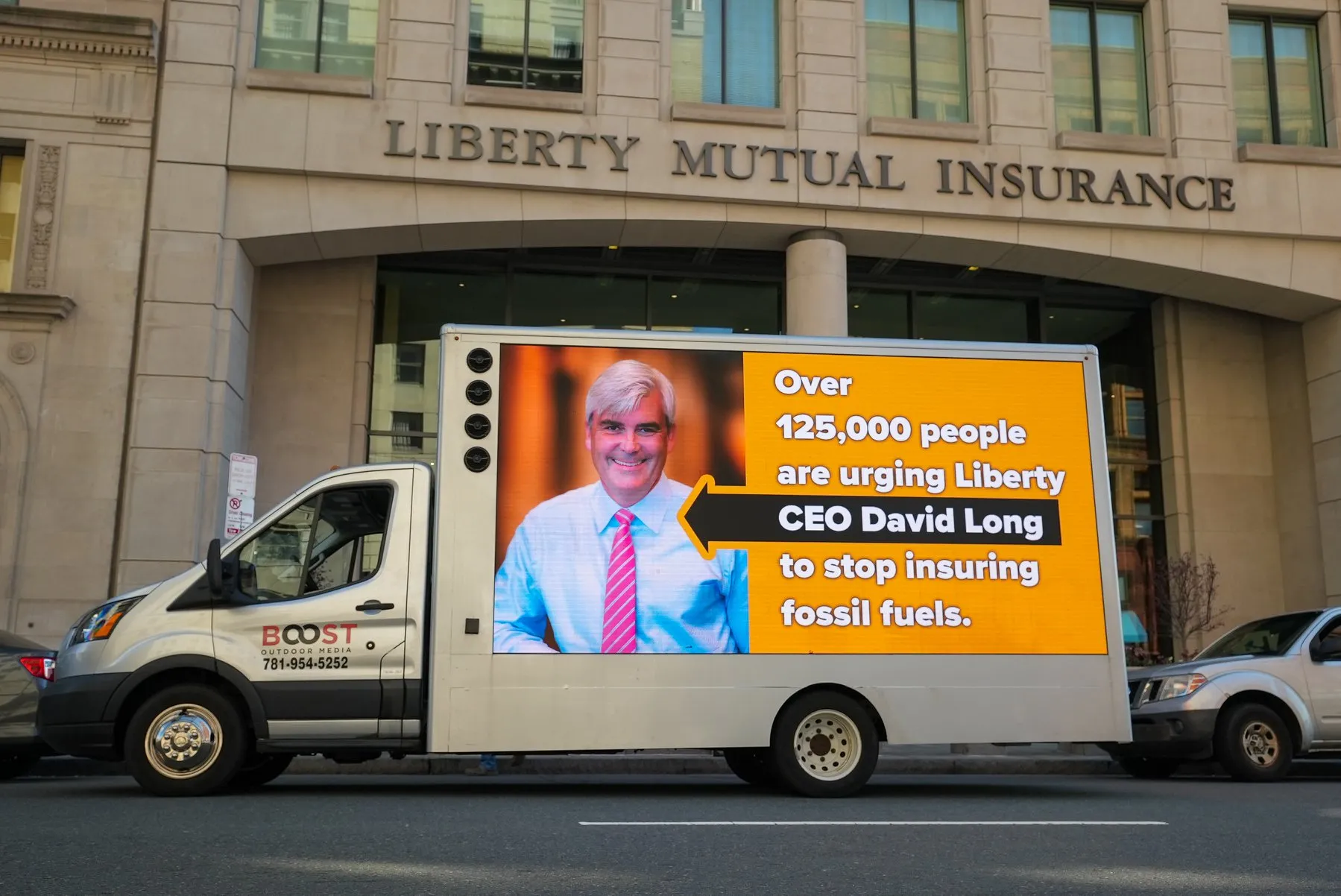
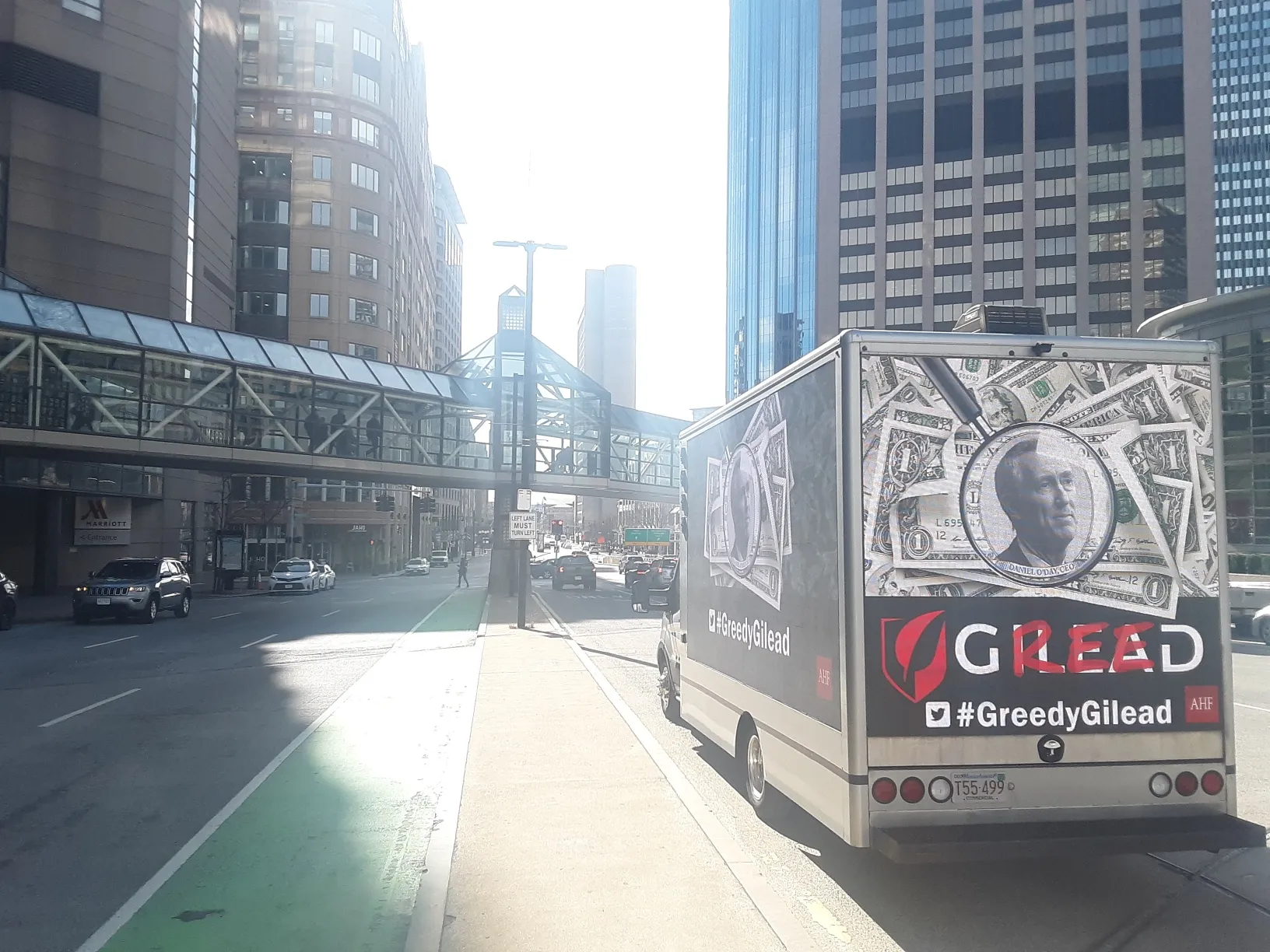
These real campaign photos show different uses of truck-based outdoor advertising: candidate identification, civic reminders, labor communications and issue advocacy. The messages belong to their respective advertisers; the photos illustrate advertising delivery, not an endorsement or a claim about campaign results.
Creative preparation
Clear artwork. Readable disclosures.
Outdoor creative needs to work in a brief viewing moment. Use a recognizable campaign identity, a concise headline and large text. Avoid turning a truck screen into a dense flyer; send viewers to a clear information destination for additional detail.
- Provide final, authorized artwork and the sponsoring organization’s identity.
- Keep required disclosure language readable in the final screen layout.
- Confirm image and video specifications before export.
- Check factual statements, dates and web addresses before approval.
- Choose one person responsible for final sign-off and later revisions.
Operating arrangements
Plan access before arrival.
A strong operating brief is as important as finished artwork. Event organizers and campaign teams should confirm the places a truck can safely access, where it may stop and who can authorize changes on the day.
- Identify venue access, loading areas and any property permissions.
- Review local parking, event and electioneering restrictions.
- Share an on-site contact and agreed arrival and departure times.
- Allow for traffic, closures and safe route adjustments.
- Confirm available photos, hours and route records in the proposal.
How It Works
From brief to on-street activation
Share the operational brief
Send the organization name, city or operating area, dates, desired hours and number of trucks. Include event addresses, your budget, an on-site contact and any access constraints.
Review routes and location arrangements
Discuss route priorities, permitted stopping locations and venue coordination. Confirm who handles property approval or event permissions, with flexibility for traffic, closures and safety conditions.
Approve artwork and disclosures
Provide final campaign-approved files and required sponsor language. Confirm screen specifications, playback details and the approval deadline. Your campaign or legal adviser should verify the applicable advertising requirements.
Confirm delivery and reporting
Agree on operating hours, contacts, change procedures and available delivery records before launch. Review the completed activity against the agreed plan, separately from electoral or advocacy outcomes.
FAQ
Political advertising questions, answered
Let’s coordinate your campaign’s outdoor presence.
Share your city, dates, daily hours and approved creative.